HUTTON BRICKYARDS TIMELINE
There was a time when the Hudson River was the center of the building construction world, and Hutton Brickyards found itself in exactly the right place at exactly the right time. As New York City expanded at an extraordinary pace, the demand for bricks surged. Hutton had everything an ambitious brickyard needed to meet it: rich deposits of clay, abundant water, and direct access to the Hudson River, the great transportation artery connecting Kingston to the city. From 1865 onward, Hutton bricks helped build New York itself, finding their way into some of its most recognizable landmarks, from the Brooklyn Bridge and Yankee Stadium to the Cloisters and the Empire State Building. The story of Hutton is, in many ways, a story of how a riverfront enterprise helped shape a metropolis. These images trace the ambition, ingenuity, and sheer scale of an industry that helped build a city—and reveal the remarkable history hiding in plain sight at Hutton Brickyards.
CHAPTERS
BEFORE THE BRICKS
(3200 BC - 1845)
THE BUILDING BOOM
(1865 - Early 1900s)
COMPETITION & SURVIVAL
(1920s - 1950s)
THE END OF THE BRICK ERA
(1965 - 1979)
THE STRANGE YEARS
(1980 - 2007)
THE SECOND LIFE
(2014 - Present)
BEFORE THE BRICKS
3200 BC
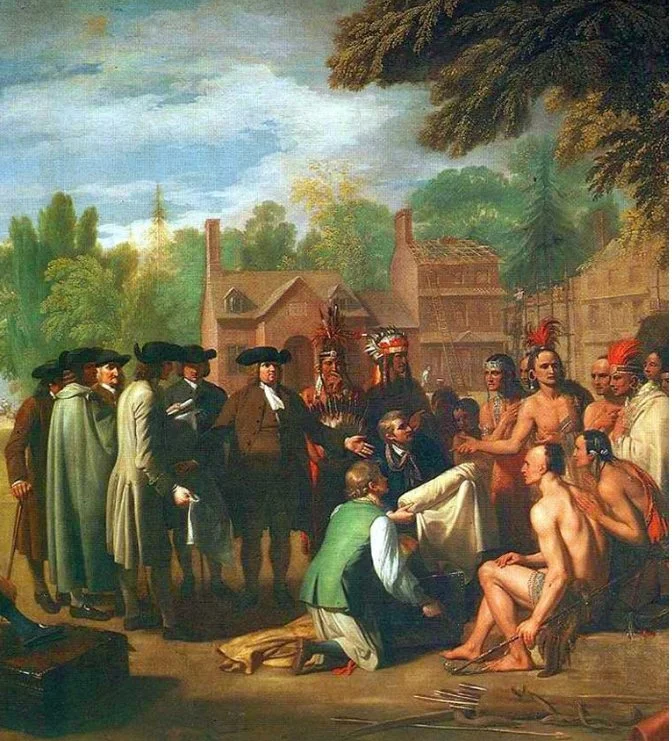
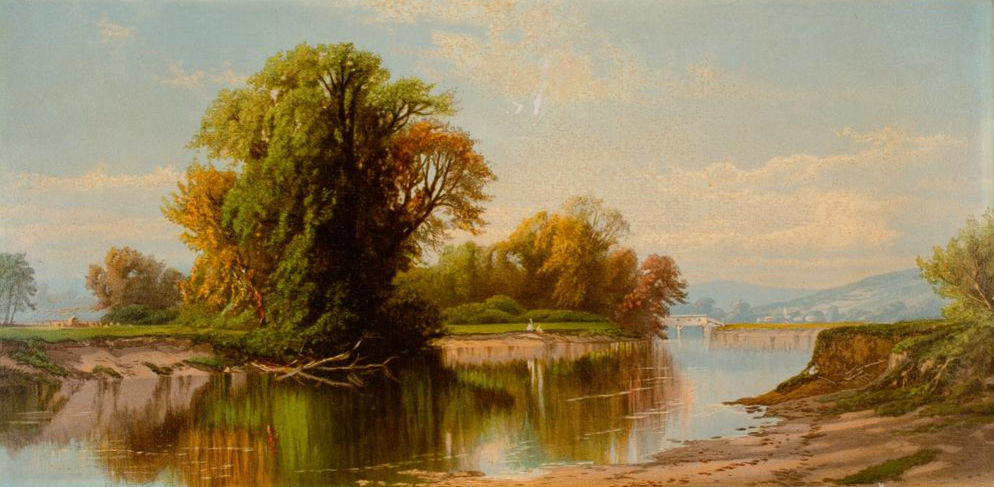
Archaeological evidence shows that Native Americans lived in what is now Kingston, New York, long before Europeans arrived. The Esopus people used the fertile flood plains of the Esopus Creek to farm and build vibrant trade networks.
1652–1658
Dutch settlers established a permanent settlement in the fertile Esopus Valley. In 1658, Peter Stuyvesant ordered it fortified and consolidated as Wiltwyck.
1664–1669
The English seized New Netherland in 1664; five years later, Wiltwyck was renamed Kingston.
1652–1658
Dutch settlers established a permanent settlement in the fertile Esopus Valley. In 1658, Peter Stuyvesant ordered it fortified and consolidated as Wiltwyck.
1664
The Dutch surrendered the region to the British, and the region was dubbed “Kingston.”
1777
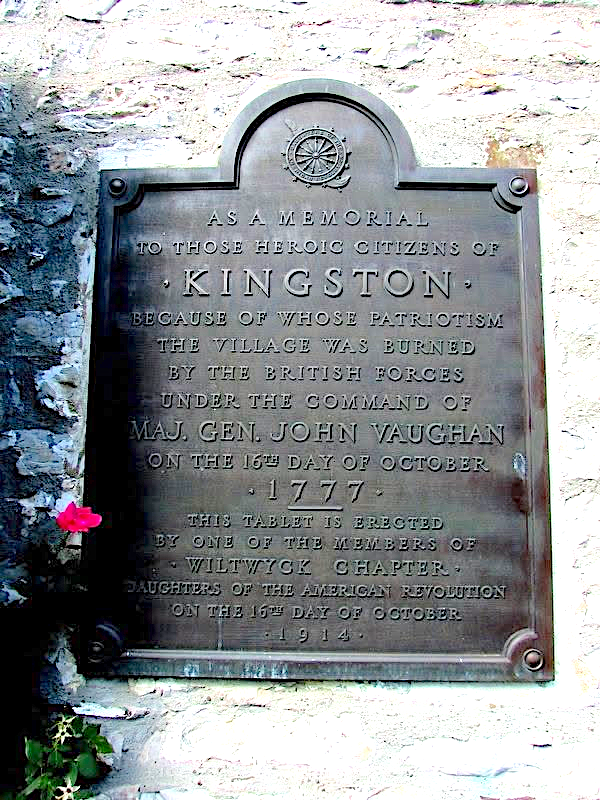
Kingston became the capital of New York State. The British, retaliating against American patriot rebels, landed near the mouth of Rondout Creek — a short distance south of the present-day Hutton Brickyards property — and proceeded with the “Burning of Kingston,” decimating 300 buildings. Reenactments take place annually to commemorate the torching.
1828
The Delaware & Hudson Canal opened, transforming nearby Rondout into a booming transportation hub. Coal, stone, cement and, eventually, millions of bricks moved through its waterfront.
1845
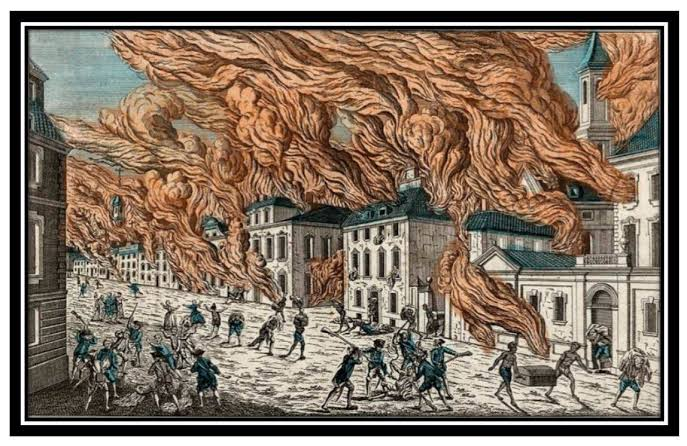
The Great New York City Fire, the last of three devastating fires (after 1776 and 1835), destroyed 345 buildings in Manhattan, reinforcing the city's shift toward fire-resistant brick and stone construction—a boon to Hudson River brickmakers.
THE BRICK BOOM
1865
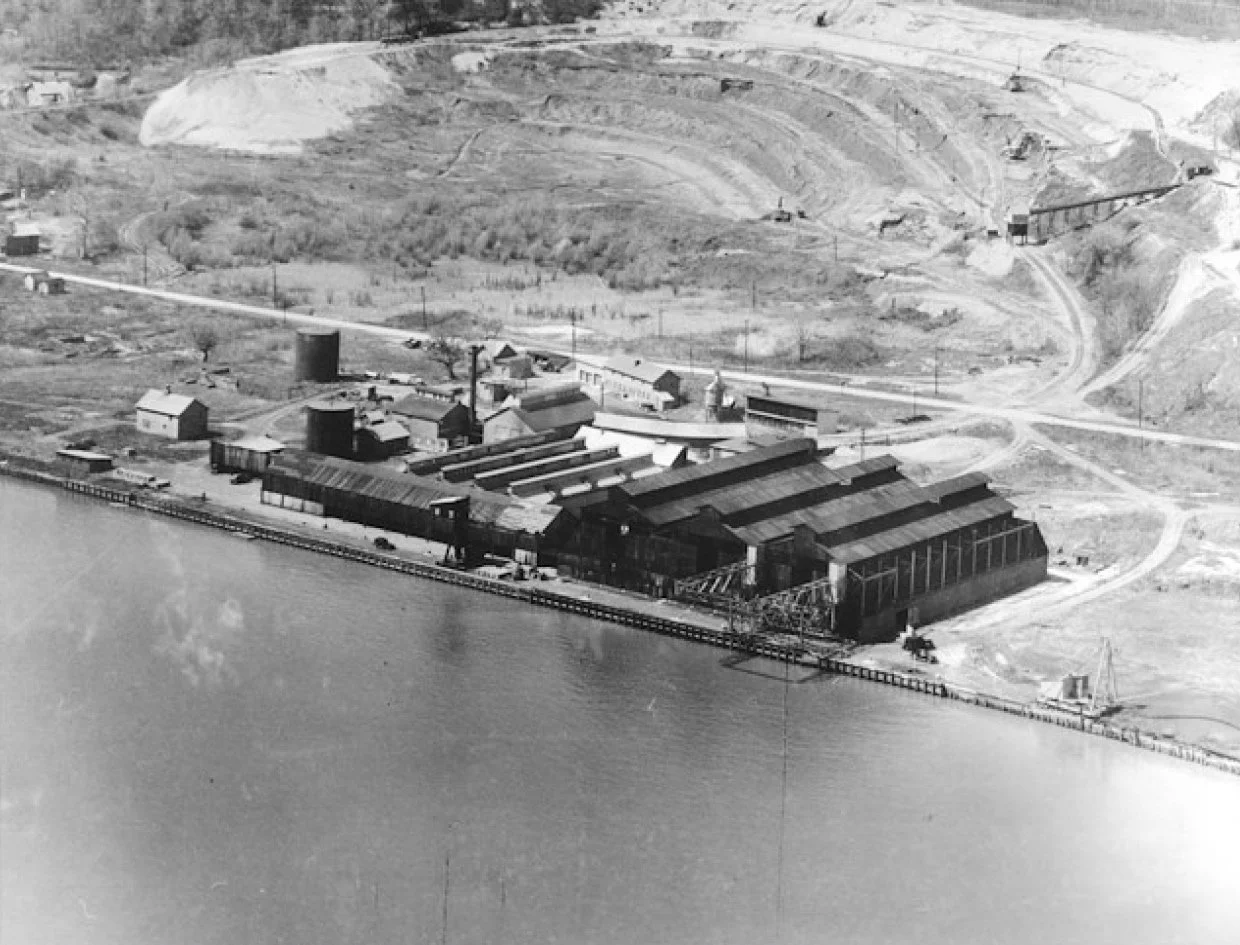
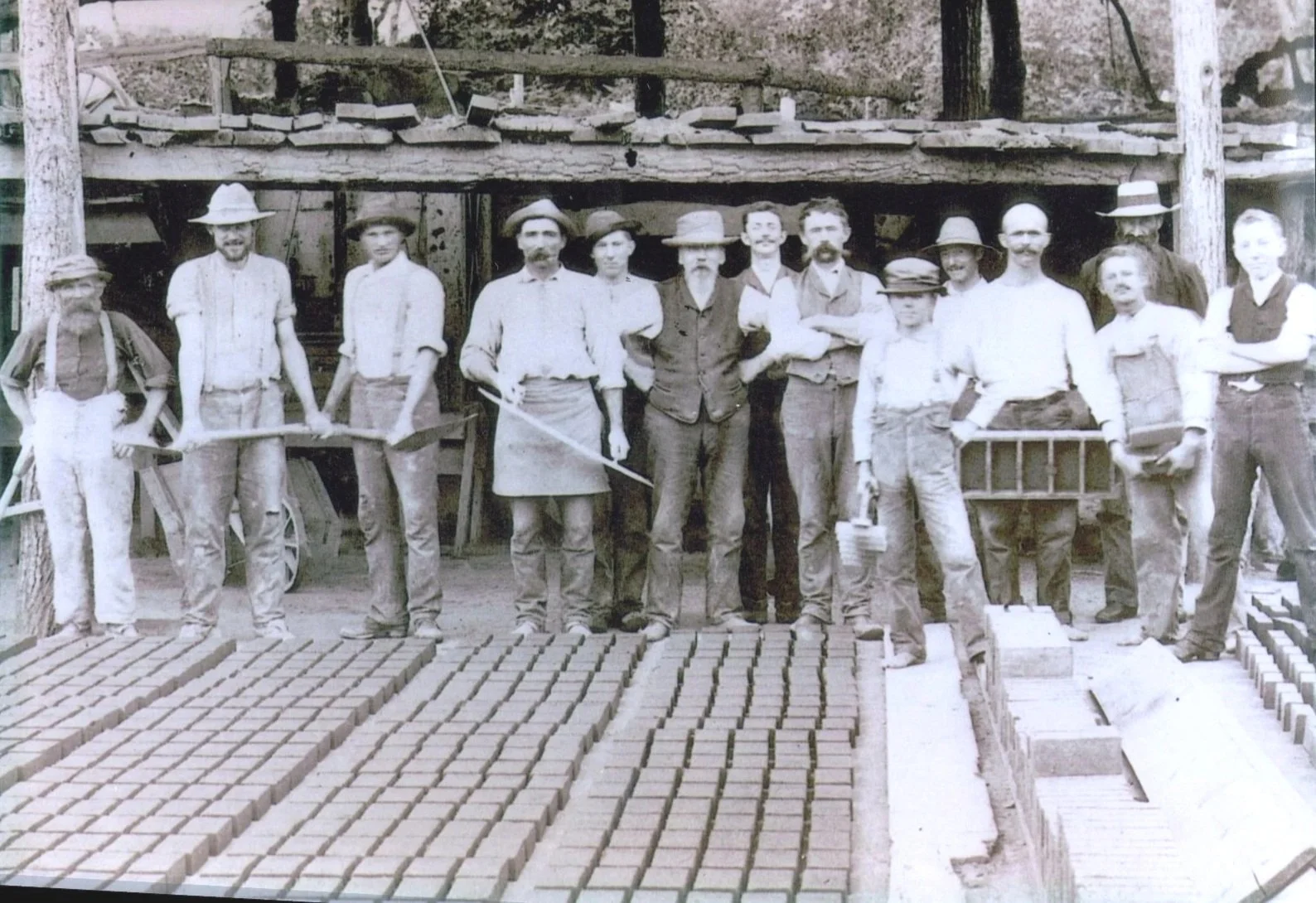
William Hutton and John H. Cordts established the Cordts and Hutton Yard (later the Hutton Company Brick Works) at a site called "Steep Rocks" in the Rondout area of Kingston. The location was nearly perfect for brickmaking: abundant clay, water for processing and the Hudson River—a ready-made highway to New York City. Cordts retired from the partnership in 1887 and three years later the company assumed the Hutton name solely.
1870
Hutton was already one of the Hudson River's largest brickmakers, and produced 10.5 million bricks a year with their six steam-powered machines (which replaced human hands and horses, and which would eventually be replaced by electricity).
1873
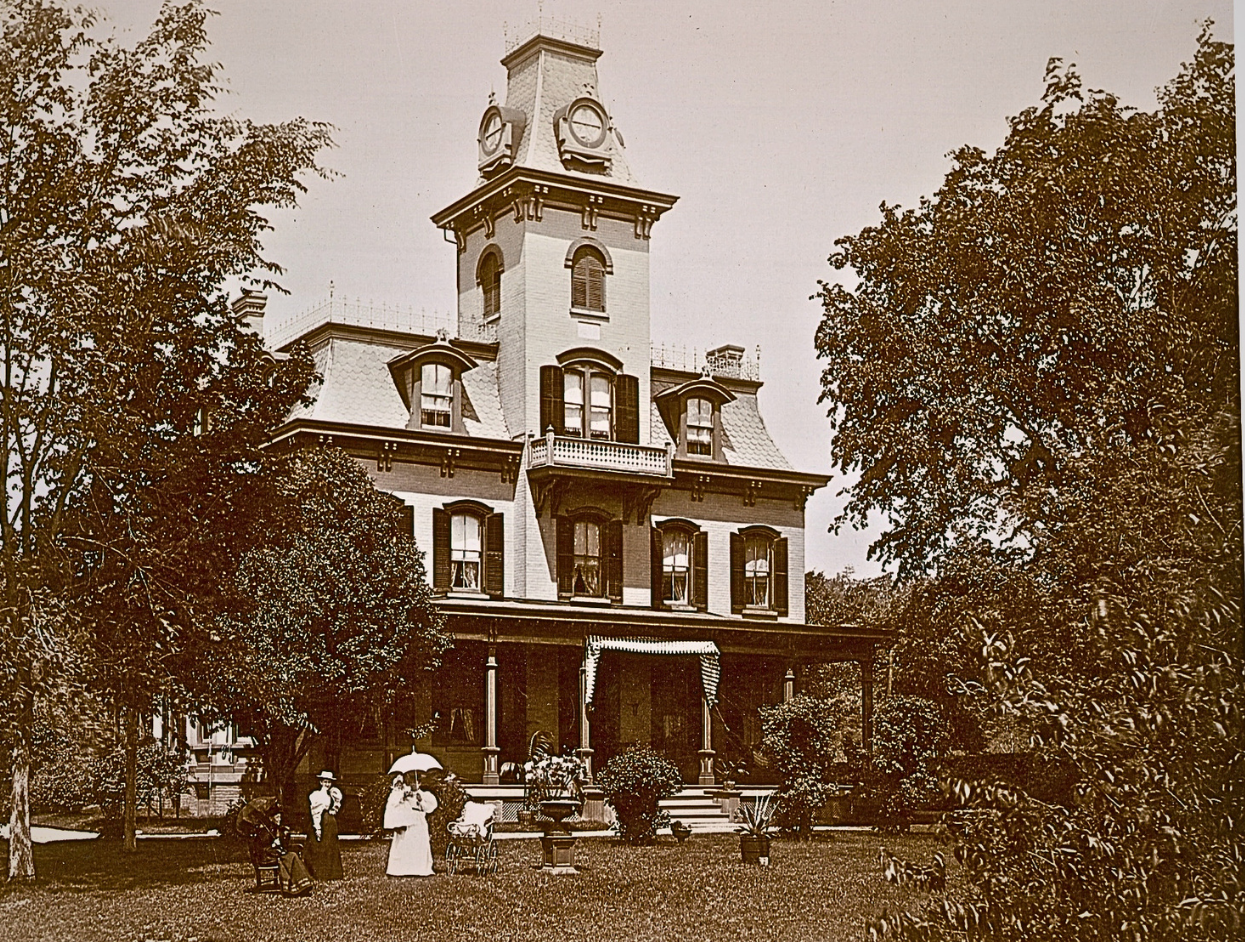
Edgewood mansion was built on a hilltop for co-founder John Cordts near the brickworks. He retired in 1887 and died in 1891.
THE BRICK BOOM
1880
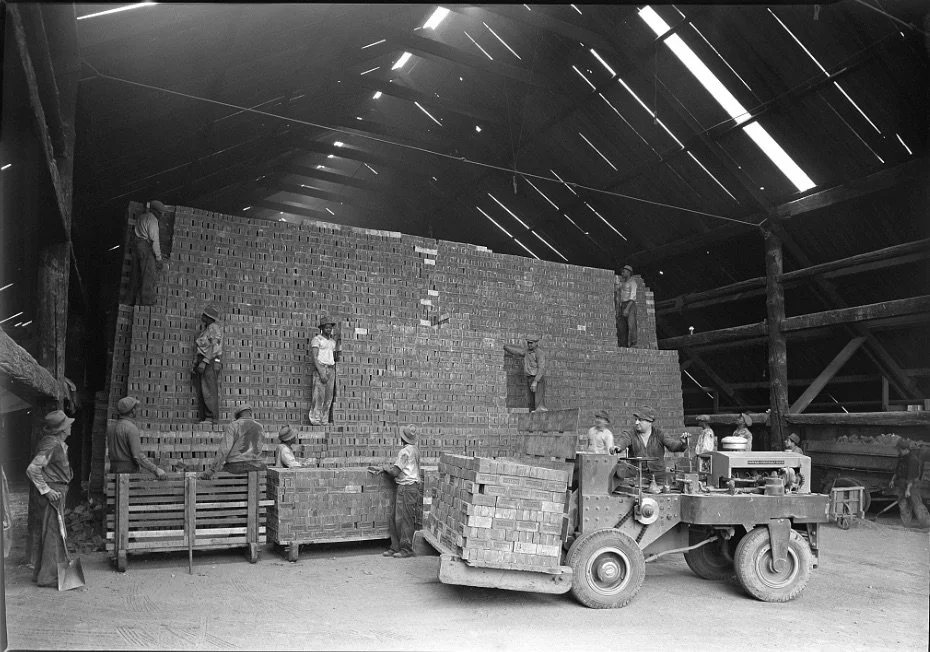
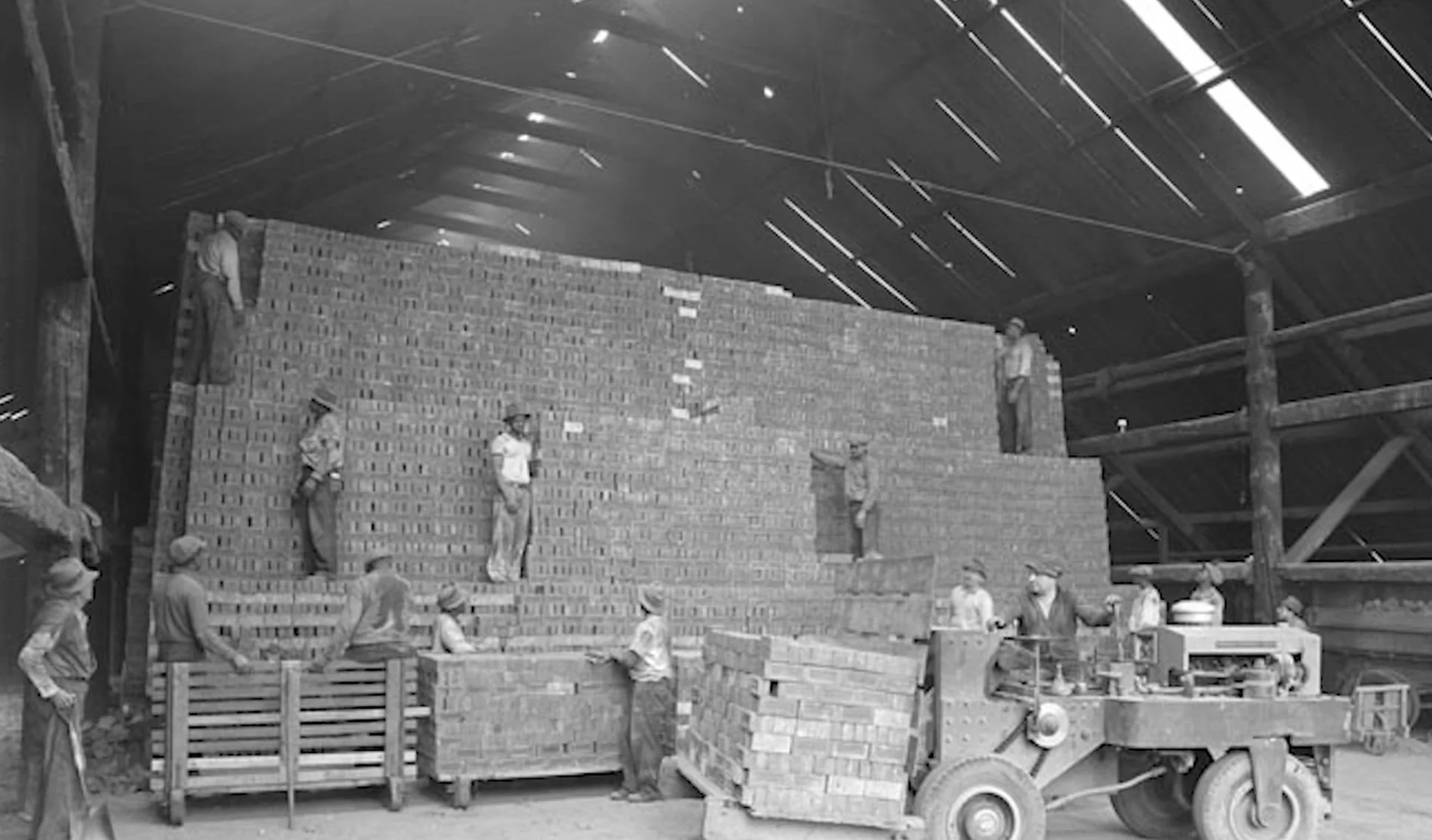
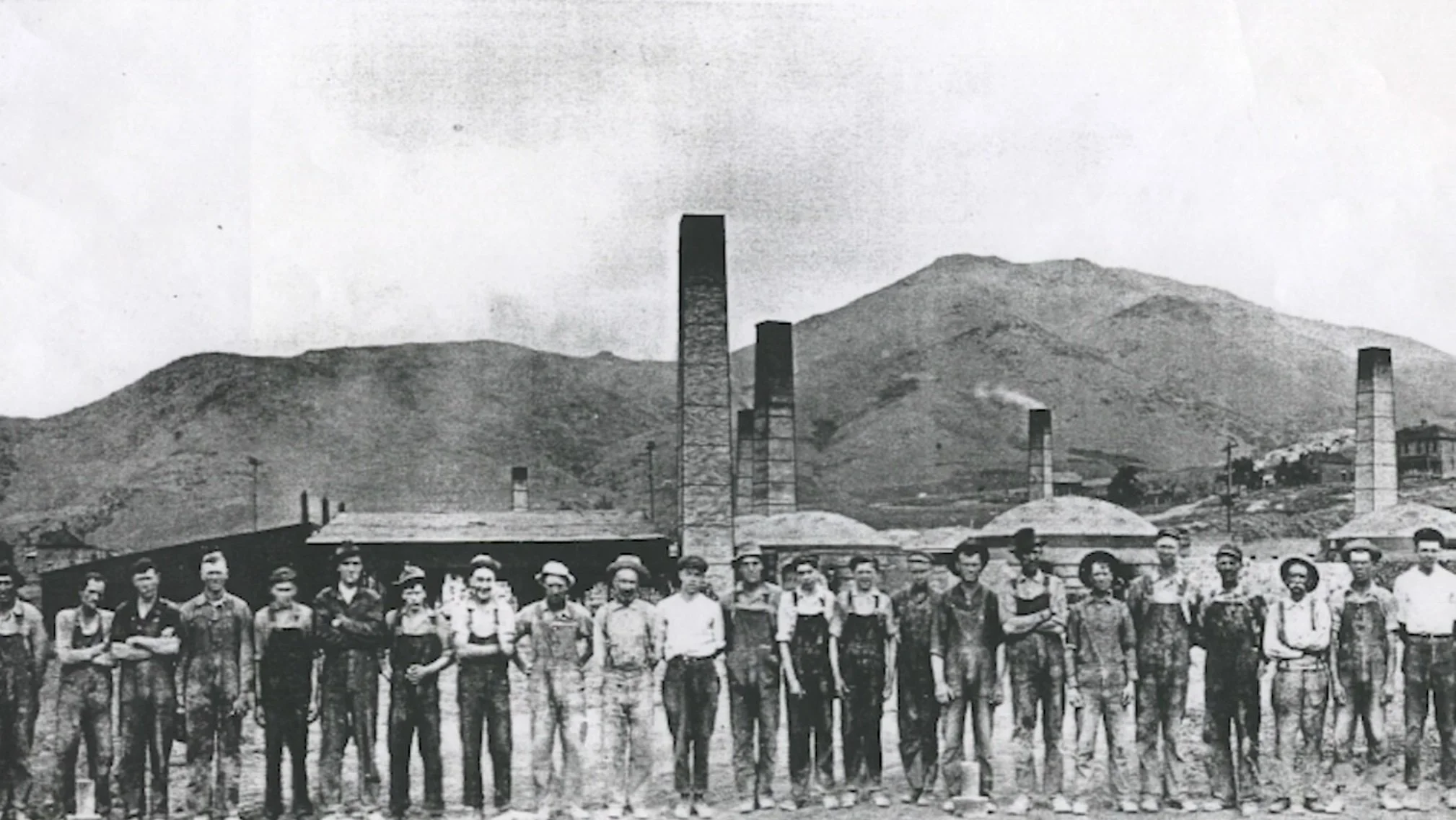
The majority of the workforce at Hutton came from European immigrants (from Italy, Ireland, Hungary, Germany, and Poland) as well as Black Americans. They worked together and for long stretches. The average workday at Hutton was 10 hours (lower than the industry standard of 12 hours). Census data tells us that Hutton Brickyards also paid top dollar in 1880: $1.40 to $2.00 per day depending on skill level. In 1903, workers at Hutton Brickyards went on strike and demanded a 15-cent-per-day wage increase.
1880-1900
The Hudson Valley was already an established retreat for wealthy New York families long before the Gilded Age, but a new wave of super-wealthy industrialists and financiers — including the Rockefellers, Roosevelts, Astors and Vanderbilts — built or acquired enormous country estates on the banks of the Hudson. Across the Hudson, Hutton faces toward Ferncliff, the Astor family's grand Rhinebeck estate.
1890
The Hutton name took over, as Cordts & Hutton became the Hutton Company. William Hutton remained at the helm until his death in 1897, when six family members assumed control.
Early 1900s
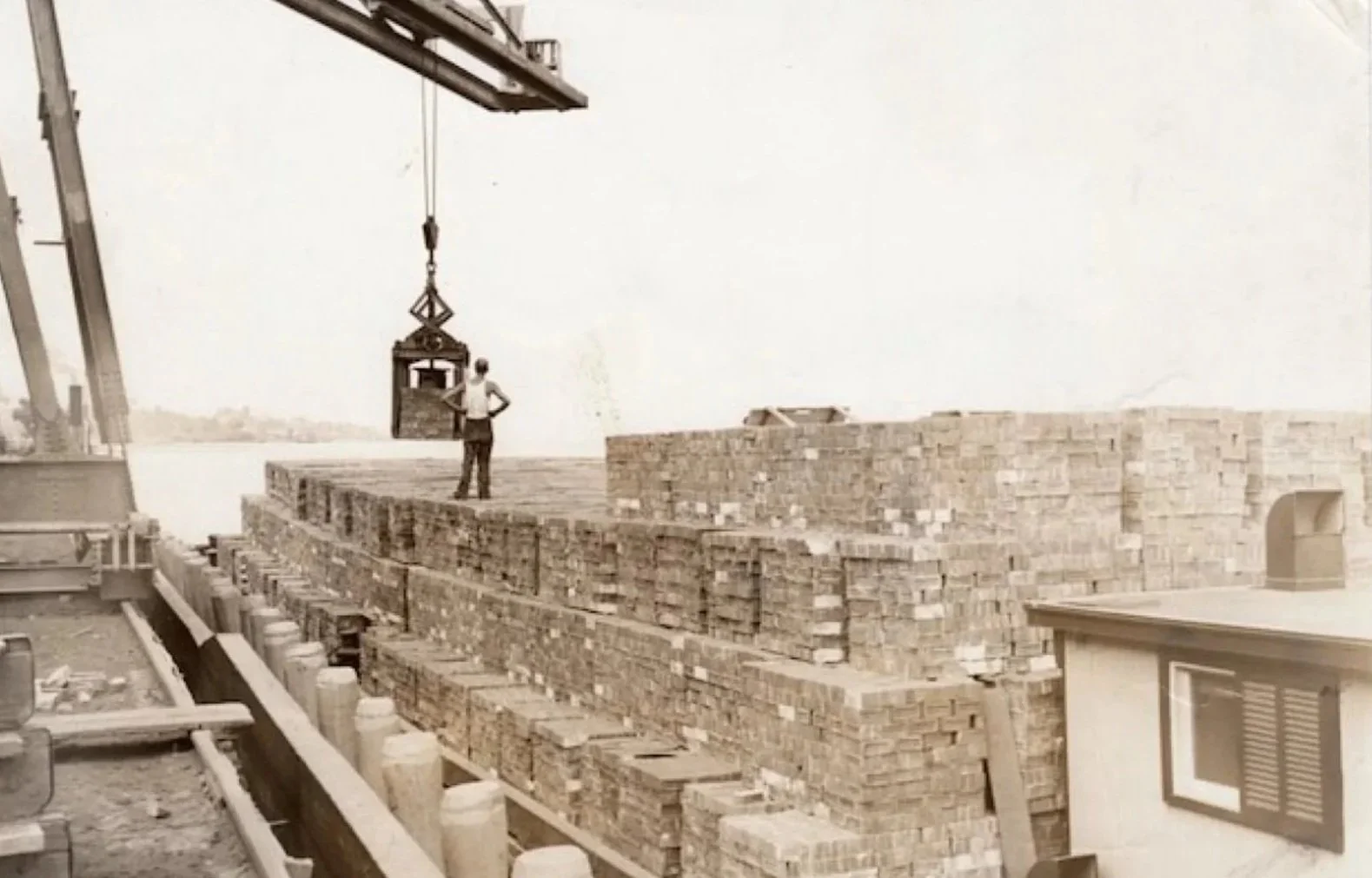
By the turn of the century, there were already over 100 brickyards scattered throughout the Hudson Valley – earning it the title “Brick Capital of the World.” Hutton, along with others, supplied bricks to New York City landmarks such as the Empire State Building, the Brooklyn Bridge, and Yankee Stadium.
SURVIVAL
1920s
International competition and new technologies, like cement, began to offer cheaper building blocks, forever affecting the brickmaking industry’s vitality and revenue.
1928
George Van Deusen Hutton (William Hutton’s son) fought back with technology, developing an automated brickmaking machine that would remain in service until the plant closed in 1980. He also installed the massive Lidgerwood crane in 1928, transforming the riverside into a high-speed loading station for brick barges bound for New York City. The crane survives today as the last of its kind on the river.
1930s
Hutton bricks helped build some of New York's most ambitious cultural landmarks, including the Cloisters and Hayden Planetarium.
1940s
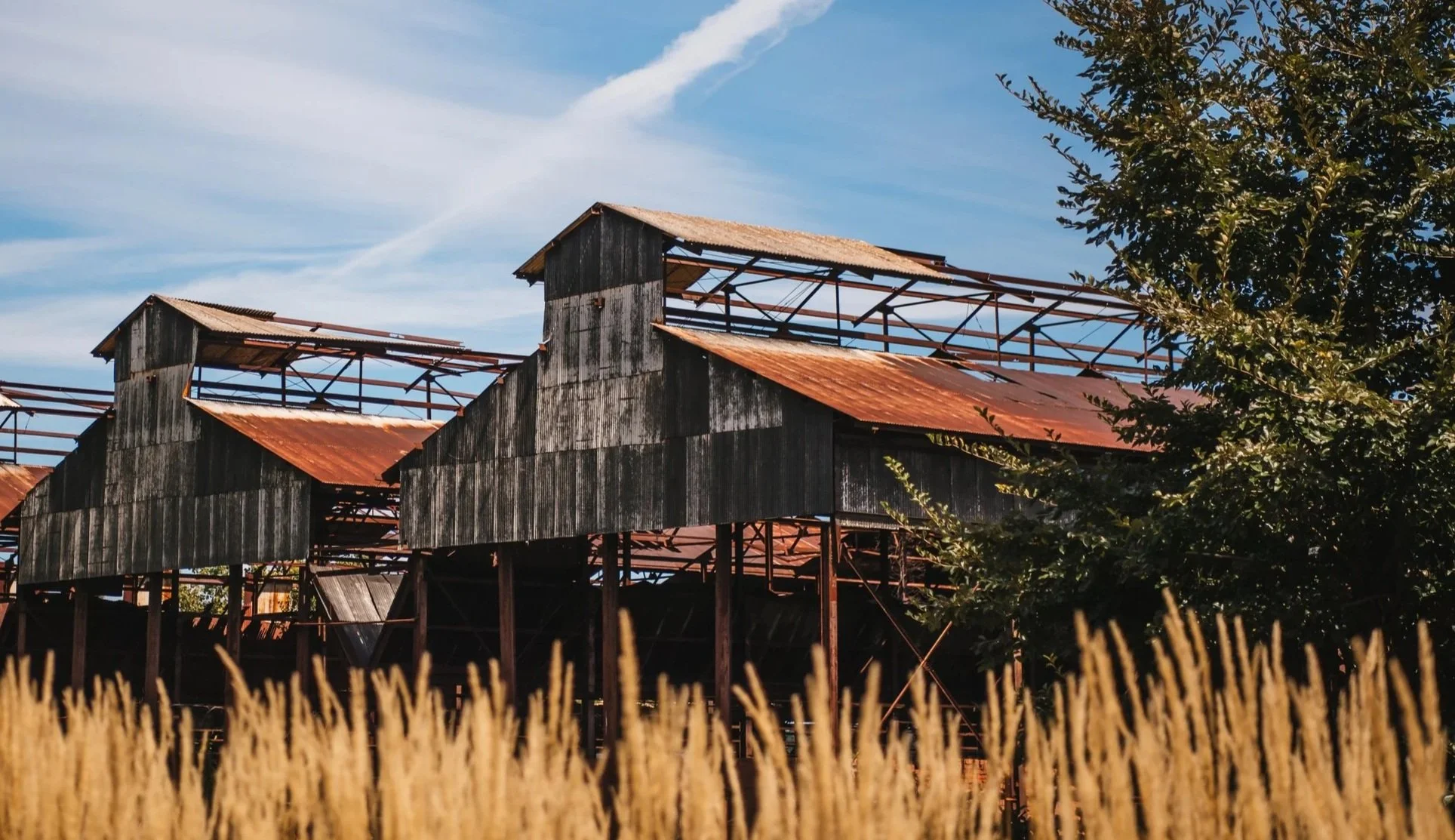
Three steel-frame kiln sheds, originally erected in 1928 at the Excelsior brickyard in Haverstraw, were dismantled and moved to the site. These are rare examples of “scove”- type kilns. Brick production stopped for some time during WWII.
1950s
Brickmaking roared back after WWII. George V. Hutton later called this the Hudson River industry's best decade. Hutton was among the few yards that resumed production and prospered.
THE END OF THE BRICK ERA
1965
After a century of family ownership, Hutton was sold to Jova Manufacturing Company.
1970
Jova sold the brickyard to fellow brickmaker Terry Staples.
1979
New environmental regulations enacted by the New York State Department of Conservation required Hutton to replace its antiquated scove kilns, a source of air pollution, with modern, expensive tunnel kilns. Unable to afford the upgrade, the Hutton Company Brick Works closed for good.
THE STRANGE YEARS
1980s - 2000s
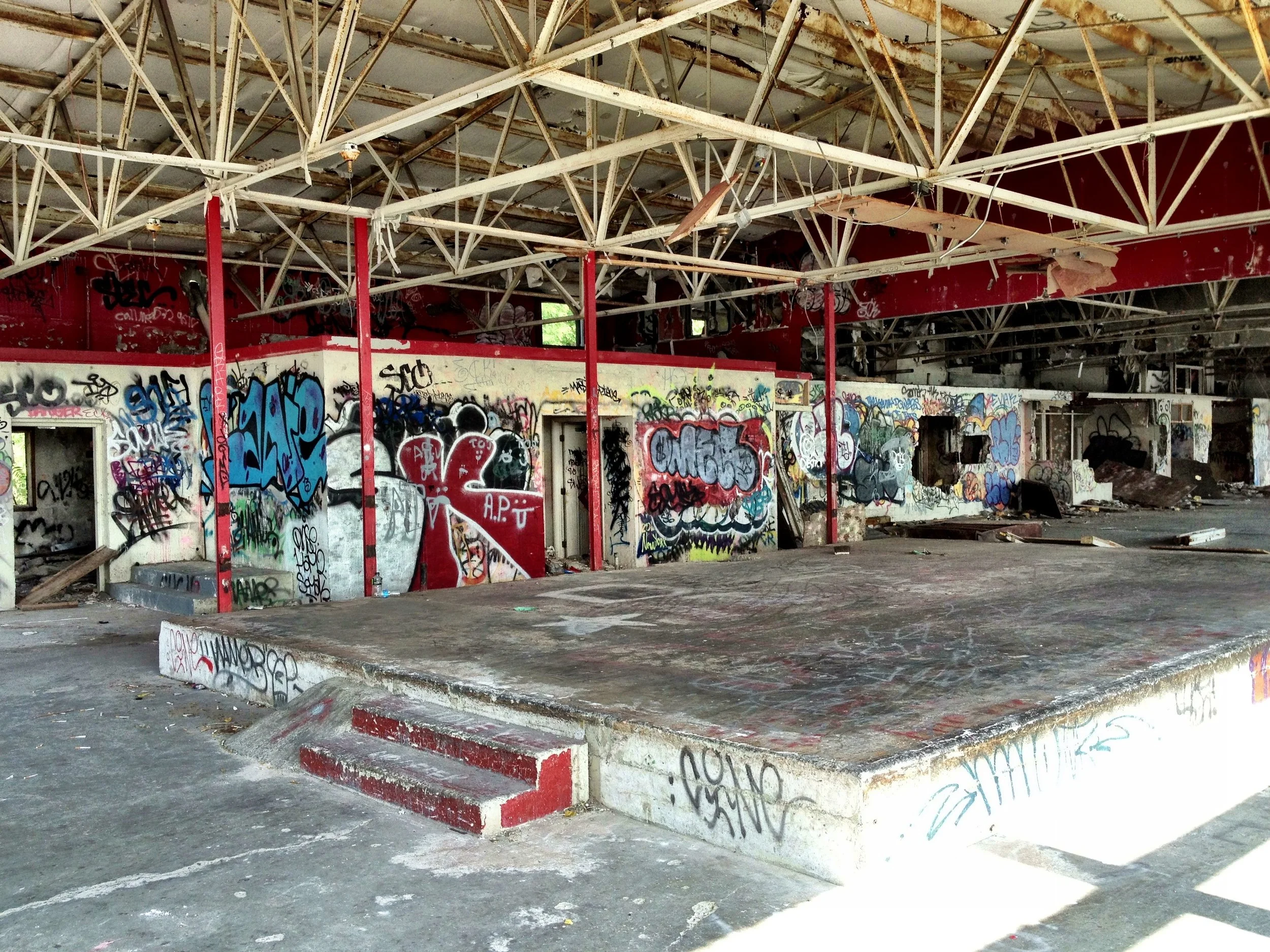
Various business owners moved in and opened a paintball park, a petting zoo, and a rave space. Locals embraced the remains of Hutton Brickyards as a makeshift clubhouse and party central for decades — a boon for skateboarders, bicyclists, and graffiti artists.
In the 1990s, Arthur Green opened The Brickyard, a restaurant on Hutton Brickyards property. He also launched “Shadow Supply” which rented a large consignment of restaurant equipment to production companies, including the producers of the Men in Black movies.
2001
Painter, sculptor, and printmaker Hunt Slonem purchased Edgewood (AKA Cordts Mansion).
2002
The Hutton property was sold to the Slane Co. for $2.5 million.
2004-2012
Hutton narrowly escaped becoming a 363-unit residential development. The proposed Sailors Cove project would have covered the former industrial site with condos, townhouses, apartments and senior housing. The plan was ultimately abandoned.
2007
Edgewood mansion was added to the National Register of Historic Places.
2013
Hutton Brickyards was still just a crumbling, abandoned 73-acre industrial site on the Hudson River, but in early 2013, the property was featured by local preservation groups like Kingston Citizens and the Society for Industrial Archaeology, noting it’s a highly threatened piece of history with one-of-a-kind architecture — worthy of preservation.
THE SECOND LIFE
2014
Karl Slovin of MWest Holdings purchased the derelict and vandalized Hutton Brickyards and began to transform it into a destination hotel and event space with luxurious riverfront cabins, a restaurant, saunas, and spaces for weddings, retreats, concerts, conventions, and festivals.
2016
The Upstate outpost of the popular food and flea market Smorgasburg launched at Hutton Brickyards in August, making it one of the earliest big public events to take place on the grounds.
2017
Bob Dylan played two concerts on the riverfront, drawing thousands to the former brickyard. Later that year, Field + Supply moved to Hutton, cementing its new identity as an arts and events destination.
2021
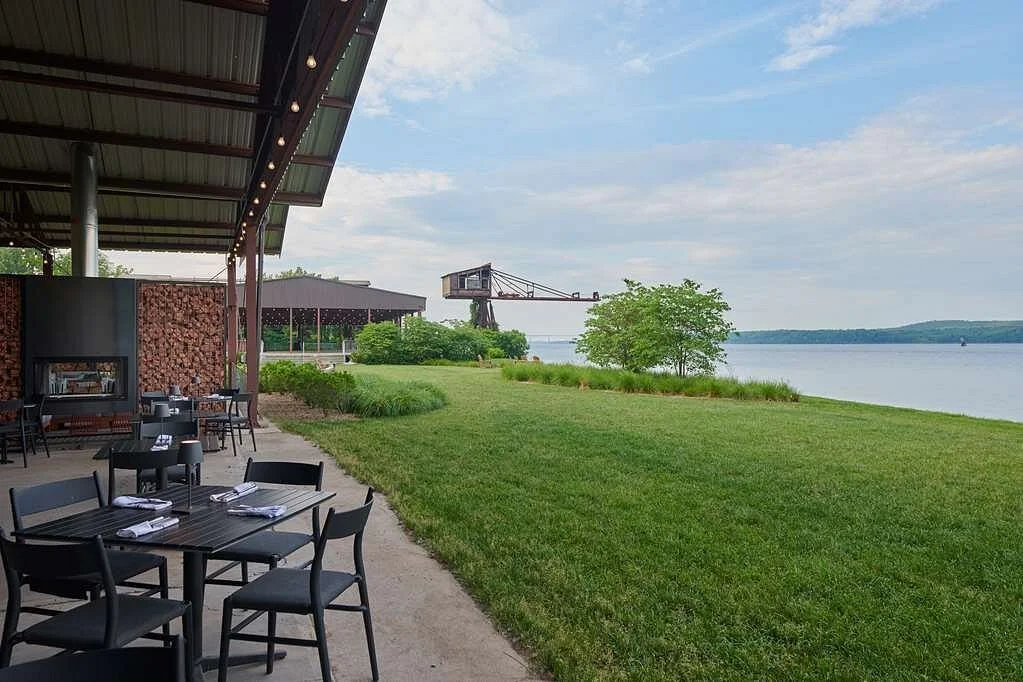
Hutton Brickyards reopened as a 31-cabin hotel, restaurant, spa and event destination—the former industrial site entered its next life.
2021
Karl Slovin also acquired Edgewood Mansion, the former Cordts estate overlooking the historic Rondout neighborhood in Kingston. This brought together all of the original Hutton and Cordts land on the bucolic 100-acre campus.
2023
Edgewood Mansion opened to the public as a 12-room hotel.
2024
Edgewood's restaurant and bar opened.
2025
The restored Carriage House and Brick Patio opened as a new event space, bringing the historic estate's former stables back into use. In addition to a bar and dance floor, there’s a dressing room, bathrooms, and a spa with massage rooms and a sauna on the upper level.
2026
Hutton entered a new era as a major festival destination, hosting Rolling Stone's inaugural Stateside festival, headlined by Noah Kahan, followed by the inaugural three-day Broadway Fest celebrating Broadway’s biggest stars.